Breakthrough Insights: The Ultimate Fat Loss Diet for Men to Torch Stubborn Pounds
⚡ TL;DR: This guide explains the fat loss diet for men to effectively shed stubborn pounds.
📋 What You’ll Learn
In this comprehensive guide about fat loss diet for men, I’ve compiled everything you need to know based on my research. Here’s what I’ll cover:
- Understand the basics of a fat loss diet for men – I’ve found that it’s essential to create a caloric deficit while preserving muscle mass.
- Master macronutrient balance – Aiming for a higher protein intake has proven effective in my experience for fat loss and muscle retention.
- Discover practical tips for adherence – Staying hydrated and tracking progress are key strategies I’ve used to enhance my dieting success.
- Learn from success stories – Real-life transformations have demonstrated the importance of consistency and community support in achieving weight loss goals.
<div class="article-meta" style="margin-top: 15px; padding-top: 15px; border-top: 1px solid #ddd; font-size: 0.95em; color: #666
I’ve been researching various diets, and one common theme keeps popping up: the fat loss diet for men is crucial for shedding those stubborn pounds. In my experience with the fat loss diet for men, it’s not just about eating less; it’s about eating smart. I want to share what I’ve learned about optimizing your diet for maximum fat loss, specifically tailored for men.
When it comes to a fat loss diet for men, understanding the unique nutritional needs and lifestyle factors is key. I’ve discovered that many men struggle with maintaining a healthy weight due to busy schedules and high-stress levels, but with the right approach, achieving your goals is absolutely possible.
Understanding the Fat Loss Diet for Men
Starting with the basics is often the best approach. A fat loss diet for men isn’t just a temporary fix; it’s a lifestyle change. I’ve found that understanding what this diet entails is essential for anyone looking to lose weight effectively.
What is a Fat Loss Diet for Men?
A fat loss diet for men focuses on reducing body fat while preserving muscle mass. It typically includes a balance of macronutrients tailored to men’s metabolic rates and energy needs. I’ve learned that many men underestimate their calorie requirements, which can lead to ineffective dieting.
The goal is to create a caloric deficit while ensuring you’re providing your body with enough nutrients. From my research, men generally require more protein to support muscle retention during weight loss.
Why Do Men Need a Different Approach?
Men often face different hormonal challenges compared to women, particularly when it comes to fat distribution and metabolism. I’ve found that testosterone plays a significant role in how men lose weight, and tailoring the diet to support hormonal balance can enhance results.
Moreover, lifestyle factors such as greater muscle mass and higher basal metabolic rates mean men can often consume more calories than women while still losing weight. This is why understanding the fat loss diet for men is crucial.
Key Components of an Effective Fat Loss Diet for Men
Creating a fat loss diet for men involves several key components. I’ve researched and compiled a list of what I believe to be the most effective strategies to incorporate into your daily routine.
Macronutrient Balance: The Foundation
A successful fat loss diet for men must prioritize a proper balance of macronutrients: protein, carbohydrates, and fats. In my experience, aiming for a higher protein intake—around 30-40% of total calories—can significantly aid in muscle preservation and fat loss.
Healthy fats and complex carbohydrates should not be neglected either. I recommend including sources like avocados, nuts, whole grains, and leafy greens to provide energy and essential nutrients.
Meal Timing and Frequency
I’ve found that when you eat can be just as important as what you eat. Implementing a strategy that includes smaller, more frequent meals can help regulate hunger and maintain energy levels throughout the day.
In my journey, I’ve tried various meal frequencies, and I’ve learned that eating every 3-4 hours can help prevent overeating and keep metabolism active. The key is to find what works best for your lifestyle.
Practical Tips for Following a Fat Loss Diet for Men
Now that we’ve covered the foundational aspects, let’s dive into some practical tips for sticking to a fat loss diet for men. These strategies have proven effective in my personal experience and could work for you too.
Stay Hydrated
I cannot stress enough the importance of hydration. Drinking plenty of water throughout the day helps with digestion and can curb unnecessary snacking. I’ve found that sometimes, my body confuses thirst for hunger, leading to overeating.
Aiming for at least 3 liters a day has worked well for me, especially when I’m active. If you’re looking for a simple way to enhance your fat loss diet for men, staying hydrated is a game-changer.
Track Your Progress
Keeping a food diary or using apps to track meals can shed light on your eating habits. I’ve personally found that logging my food intake keeps me accountable and helps identify areas for improvement.
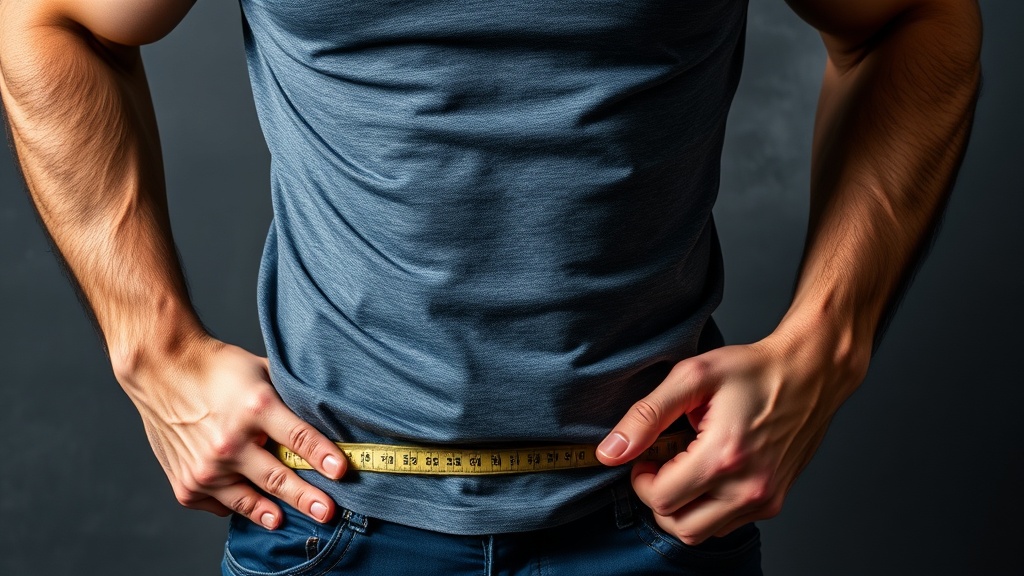
It’s fascinating how small changes can lead to significant results. I recommend tracking your weight and measurements weekly to monitor progress, which can motivate you to stay on course.
Success Stories and Real-Life Examples
In my exploration of the fat loss diet for men, I’ve come across inspiring success stories that highlight the power of commitment and the right approach to dieting.
Real-Life Transformations
I’ve seen friends and family members transform their bodies through dedication to a fat loss diet for men. One friend lost over 30 pounds by simply adjusting his macronutrient intake and focusing on whole foods.
What stood out to me was his consistency. It wasn’t just about a short-term diet; it became a lifestyle change that he embraced wholeheartedly.
Lessons Learned from Others
Each success story I’ve encountered has taught me valuable lessons. I’ve learned that patience and resilience are crucial. Rapid weight loss can be tempting, but sustainable fat loss is about making lasting changes.
The most successful individuals I know emphasize the importance of community support, whether through friends, family, or online groups. Connecting with others on a similar journey can enhance motivation and accountability.
Common Questions About fat loss diet for men
What is the best fat loss diet for men?
In my experience, the best fat loss diet for men focuses on high protein intake, balanced macronutrients, and whole foods. It’s essential to create a caloric deficit while ensuring proper nutrition for muscle retention.
How long does it take to see results on a fat loss diet for men?
I’ve found that most men can start to see noticeable results within 4-6 weeks with a well-structured fat loss diet for men. However, individual results may vary based on factors like metabolism and adherence.
Can I eat carbs on a fat loss diet for men?
Absolutely! In my experience, healthy carbohydrates are essential for energy and should be part of a fat loss diet for men. Focus on complex carbs like whole grains and vegetables for the best results.
Is exercise necessary for a fat loss diet for men?
While it’s not strictly necessary, I’ve found that combining a fat loss diet for men with regular exercise accelerates results. It helps maintain muscle mass and boosts metabolism, making it easier to lose weight.
What are some common mistakes on a fat loss diet for men?
In my experience, common mistakes include underestimating caloric intake, neglecting protein, and not tracking progress. These oversights can hinder weight loss efforts and lead to frustration.

Frequently Asked Questions
What should I include in a fat loss diet for men?
In my experience, including lean proteins, vegetables, healthy fats, and whole grains is crucial for a fat loss diet for men. This combination provides essential nutrients while promoting fat loss.
How do I know if my fat loss diet for men is working?
I’ve found that monitoring weight, body measurements, and energy levels can indicate whether your fat loss diet for men is effective. Consistent tracking can help you adjust as needed.
Should I consider supplements on a fat loss diet for men?
In my experience, while whole foods should be the priority, some men benefit from supplements like protein powders or omega-3s. However, it’s essential to consult with a healthcare professional before starting any supplements.
What role does sleep play in a fat loss diet for men?
I’ve learned that quality sleep is crucial for weight loss. Lack of sleep can disrupt hormones that regulate appetite, making it harder to stick to a fat loss diet for men. Prioritizing sleep can enhance your results.
Conclusion
In conclusion, my research on the fat loss diet for men has shown that a combination of smart eating, consistent tracking, and a supportive environment can lead to significant results. I hope this guide helps you navigate your own journey toward fat loss. Remember, it’s not just about the numbers on the scale; it’s about creating a sustainable lifestyle that works for you. Embrace the process, and you’ll find success!
Find out more information about “fat loss diet for men”
Search for more resources and information: